How to Apply for a Block Party Permit in the Borough: Step-by-Step

A block party is one of the few things that can turn a street of nodding strangers into an actual neighborhood. But before the folding tables come out, someone has to deal with the paperwork. If you're the one who said "we should really do this," that someone is you. The process isn't hard, but it's full of small deadlines that punish procrastination. Here's how to move through it calmly.
Before You Choose a Date, Read the Deadline
Pick a date that works for the block, then work backward from the borough's application deadline. Deadlines vary widely. Some municipalities want the paperwork a month or more ahead of the event; others accept applications two weeks out. A few close the calendar entirely during festival season.
Call the municipal office before you print anything. Ask two questions: what's the latest I can apply, and which dates are already taken? Late-spring and early-fall Saturdays go first, especially around holidays. If your street sits on a market route or parade route, you may be sharing the road with an existing permit.
Don't announce the date to the whole block until it's confirmed. Nothing drains enthusiasm like a second round of texts saying "actually, not that Saturday."
Who Issues the Permit—and What to Ask
In most boroughs, block party permits are handled by the municipal clerk, the police department, or a parks and recreation office. The website may say "special events," which sounds grander than your potluck, but the same form usually covers both.
When you call, ask for a checklist by email rather than relying on what someone tells you over the phone. Then confirm four details:
- the exact deadline, including whether it's a postmark date or an office drop-off date;
- the fee and how it's paid—check, online portal, or in person;
- which signatures, insurance documents, or maps you must attach;
- whether the borough supplies barricades and signs or expects you to rent them.
Write down the name of the person you spoke with. When a form goes missing, that name is worth more than a receipt.
Fees, Insurance, and Deposits
Fees for a one-day, no-vendor block party are usually modest, and some boroughs waive them for neighborhood associations or for streets that have held the event for years. Ask whether a nonprofit rate applies; it costs nothing to check.
Insurance is the part that surprises people. If you're closing the street and inviting the public, some boroughs require a certificate of liability insurance naming the municipality as an additional insured. If you hire a band, a bounce house, or a food truck, expect the requirement to be firmer—and expect the vendor to carry their own coverage.
Cleanup deposits are common too: you pay upfront, and the borough returns the money if the street is left tidy. Treat that deposit as a test you plan to pass.
Rules vary by borough and by state, and this is general guidance rather than legal advice. For anything involving contracts, insurance, or money changing hands, confirm the specifics with your municipal office or a qualified professional before you sign.
The Neighbor Petition and the Notices
Most boroughs require signatures from a share of the households on the block—often those directly on the section you want to close. Ask what percentage is required, then gather more than the minimum. Extra signatures signal support if anyone complains later.
Go door to door rather than leaving a form in a mailbox. Introduce yourself, give the date and the hours, and mention the noise and the parking honestly. People forgive a loud afternoon when they've been told about it in advance. Bring a pen, print addresses in full, and double-check apartment numbers; incomplete sheets get bounced.
Don't forget the edges of your event. Neighbors on adjacent blocks and any business on the street deserve a heads-up, even if they don't sign. A short note with your phone number prevents most of the friction that reaches the borough office.
Road Closures, Safety, and Access
If you're closing the street, the permit usually comes with conditions about how the closure is marked and how long it lasts. You may need to post signs a set number of days ahead, and you'll almost certainly need barricades at both ends—either borrowed from public works or rented.
The rule that matters most is emergency access. Fire trucks and ambulances still have to reach every door. Leave a clear lane or a designated gap, keep a few people who know how to move tables quickly, and never block hydrants. If a resident has regular medical visits or a caregiver, ask what times they need the street clear.
Before the event, run through this:
- Confirm barricade and sign placement with the borough.
- Walk the block and mark anything that must stay clear.
- Assign two people to manage the closure points.
- Share one phone number with the block for problems.
- Set a hard end time and stick to it, including teardown.
Sound, Trash, and Cleanup Rules
Music is where a good party meets a noise ordinance. Ask whether amplified sound needs a separate approval and what hour the music must stop. Most boroughs set a firm cutoff, and a police visit at ten o'clock sours the whole block.
Trash is the other common violation. Plan to leave the street cleaner than you found it:
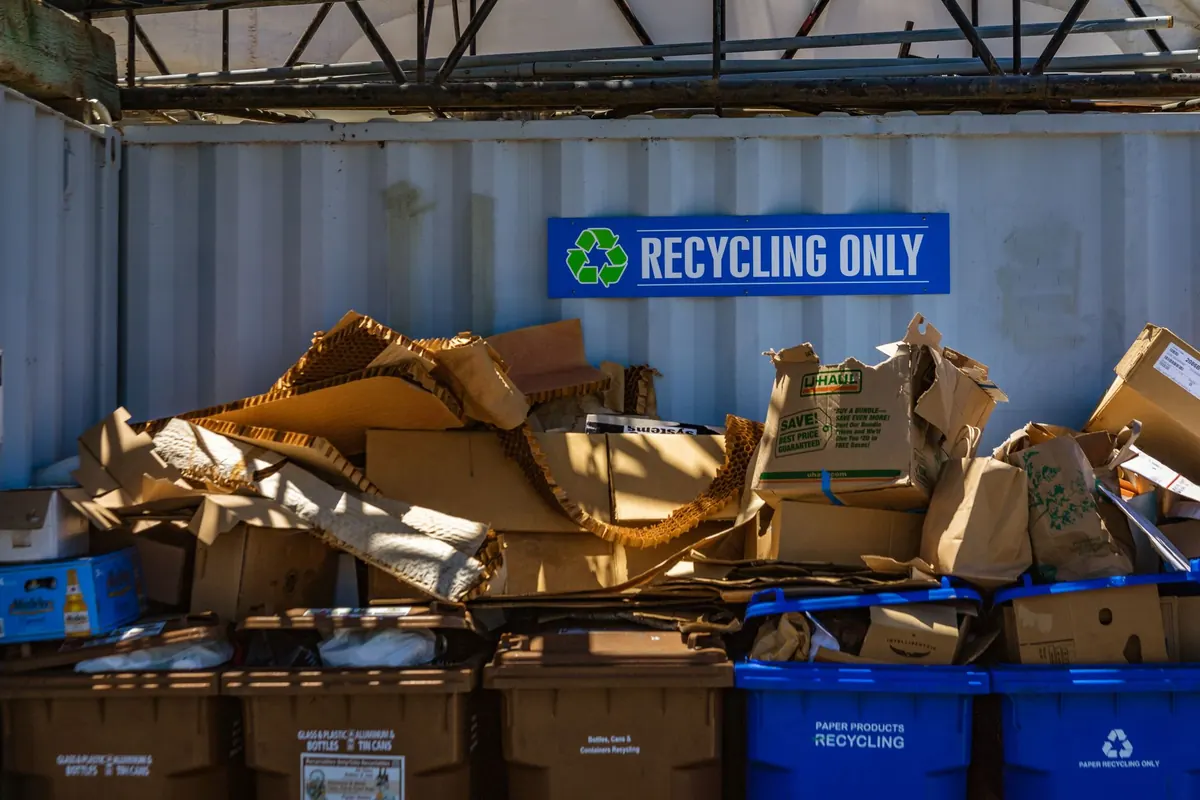
- Put out extra bins and label them for recycling if your borough separates it.
- Bring your own bags; don't assume public cans will hold a block's worth of plates.
- Sweep the gutters and check the corners where cups roll.
- Return borrowed tables, chairs, and barricades the same night or the next morning.
- Take down signs and remove tape and zip ties from poles.
If you're serving food to the public rather than sharing among neighbors, ask whether health department rules apply. A potluck among friends is a different thing from selling plates on the sidewalk.
After the Last Table Folds
Once the street is clean and the barricades are gone, do two small things that make next year easier. Send a short thank-you to the clerk or officer who helped you—borough staff remember the people who are easy to work with. Then write down what you learned: the deadline, the fee, the name of the person who lent the cones, the neighbor who volunteered to grill.
Keep that note with the permit. When someone says "we should do this again," you'll have the whole process in one file, and the second block party takes an afternoon instead of a month.
Photo: Noland Live / Pexels