New to the Borough: A Beginner's Guide to Local Government and Services
Most of what you need to know about a new borough fits on one sheet of paper: which night the trash goes out, where the council meets, who to call when a streetlight dies. Nobody hands you that sheet. You piece it together from neighbors, a fridge magnet, and a website that was last updated in 2019.
Here is the short version — the handful of things that matter in your first weeks, with enough detail to actually do them.
Start With Who Does What
A borough is small by design, and that is good news for you. You will deal with a few separate bodies, and knowing which one owns your problem saves hours of phone tag.
- The borough council and mayor set local rules: trash, parking, parks, sidewalks, zoning, and the police force in many boroughs.
- Borough staff — a manager or secretary, public works crews, code enforcement — carry those rules out. This is who fixes the pothole.
- The county handles courts, elections, property records, and some health and social services.
- The school district is a separate government with its own board and budget. Borough hall cannot enroll your child or answer for the buses.
Your best single call for anything unclear is the borough office, usually the clerk or secretary. "I just moved onto Elm Street — who handles this?" They know. Save the number somewhere you will find it again.
Council Meetings Are Public, and Nobody Will Make You Talk
Meetings are usually monthly, sometimes twice, often in the evening at borough hall or a fire company hall. Agendas go up a few days ahead, online or on the door. Most of this is open to you by state law, including the budget and any vote to raise taxes.
Public comment usually comes early in the meeting, and you get two or three minutes. That is plenty if you use it well.
How to speak so you are heard
- Write three sentences before you stand: what the problem is, where it is, and what you want done.
- Give an address or a block. "Third and Pine" beats "somewhere near the park."
- Skip the speech. Council members hear dozens of complaints; specifics get remembered.
- Give your name and street, then follow up by email so there is a record.
You can also skip the meeting entirely. Minutes are posted afterward, and reading them once a month will teach you more about your borough than a year of arguing in a neighborhood Facebook group.
Trash, Recycling, and the Rules Nobody Mentions
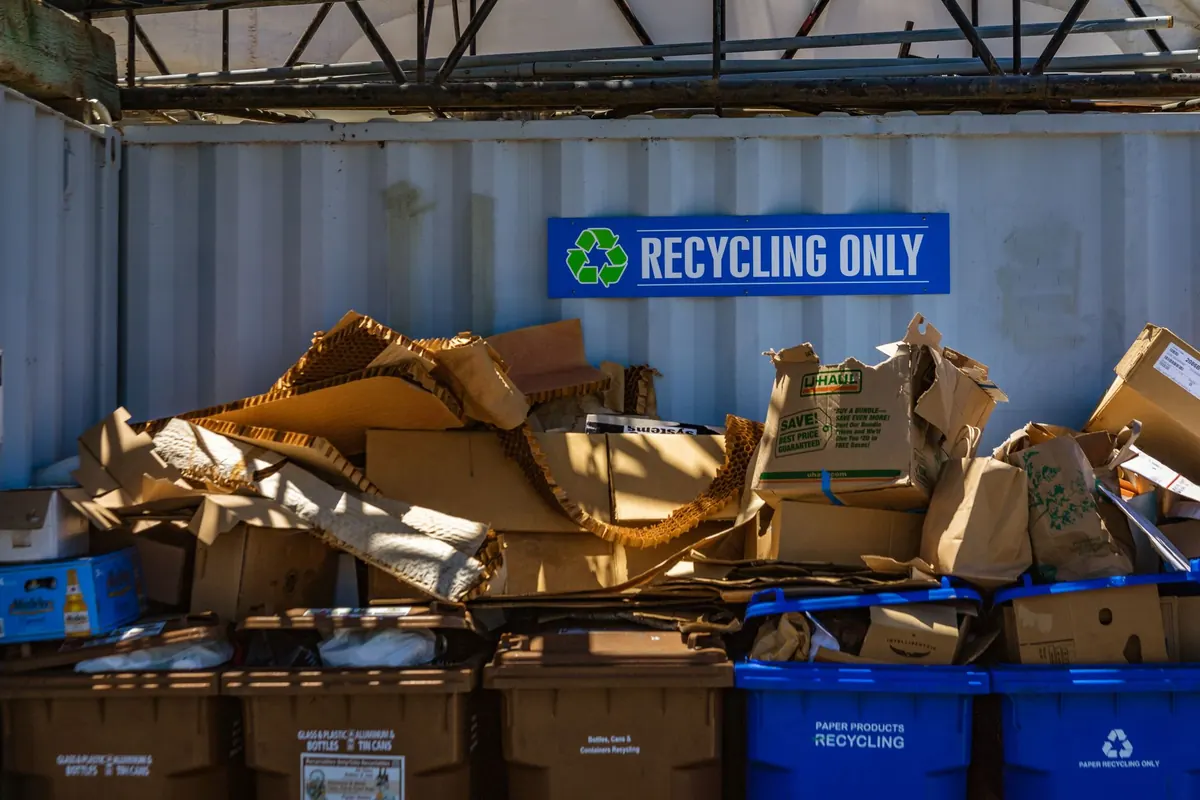
Collection is the first thing newcomers get wrong, usually because a holiday shifts the schedule by a day and the whole street smells like it. Before your first week ends, find out:
- Which days trash and recycling go out, and whether bins must be at the curb the night before.
- Where bins should sit and how long they can stay out. Many boroughs will cite you for leaving them out two days.
- What actually counts as recycling here. Rules vary more than you would expect, and one wrong item can get a bin refused.
- How to dispose of a couch, a mattress, or old paint. Bulky pickup is often free but has to be scheduled.
- Whether you are billed separately. In plenty of boroughs, trash is a quarterly bill on top of property tax, and new owners get a surprise first invoice.
If pickup is missed, call the borough unless you have been told to call the hauler directly. A photo of your full bin at the curb helps your case.
Enrolling a Child in School
School registration does not happen at borough hall. Start at the district office or the district website and ask what they need. Most districts want proof you live in the district — a lease, deed, or settlement paper, plus a utility bill — along with the child's birth certificate and immunization records. Records from the previous school, or a transfer card, usually come next.
Register as soon as you have a signed lease. Classes, bus routes, and services are far easier to arrange in August than in October. While you are there, ask about bus stops, free and reduced-price meals, after-school care, and special education evaluations if your child may need them.
Immunization and health requirements are set by the state and the district. Confirm them with the school nurse or your child's doctor rather than relying on a neighbor's memory of what was required years ago.
Voting: Register, Then Show Up
Voter registration and polling places run through the county, not the borough. Start at the county election office or your state's registration page, and mind the deadline, which is usually a few weeks before an election.
Two things worth knowing. Your polling place is assigned by address and can move when district lines change, so check it before each election. And the races that shape your street — council, mayor, school board — often land on the ballot in low-turnout spring or odd-year elections. A few hundred people deciding a school budget is normal, which means your one vote carries more weight than you would guess.
If you cannot get to the polls, ask the county about mail-in or absentee ballots and their deadlines.
When Something Goes Wrong, Who Do You Call?
Escalate in order, and keep notes on who you spoke to and when.
- Borough hall first for streets, trash, water, parks, trees, code violations, and stray animals. Ask for a reference number.
- The police non-emergency line for noise, parking problems, and non-urgent safety concerns. Save it in your phone. Emergencies go to 911 only.
- Your council member if a department has dropped the same issue twice. They cannot fix a pothole, but they can ask why nobody has.
- The county for elections, courts, deeds, and health inspections.
Put requests in writing — an email or the borough's online form. Emails create a trail; a message left with a busy front desk often does not. Then follow up in a week if nothing moves.
One caution: disputes with a neighbor over property lines, a fence, or damage are civil matters for a lawyer or the local magistrate, not something the borough will settle for you. If money or legal rights are involved, get proper advice.
Your First Month: A Short List
- Find the borough website and sign up for alerts, or follow the borough's page.
- Put trash day, recycling day, and bulky pickup rules where you will see them.
- Save the borough office and police non-emergency numbers in your phone.
- Attend one council meeting. Stay for the whole thing once, then decide how often you will go back.
- Check or update your voter registration and confirm your polling place.
- Introduce yourself to two neighbors. They will tell you about the water pressure, the reliable plumber, and which block floods.
Borough government is small enough that a resident who shows up twice becomes a familiar face. That is the whole secret. Ask a clear question, write it down, follow up once — and you will get more done in a year than most people manage in ten.
Photo: 𝗛&𝗖𝗢 / Pexels