Where Your Borough Property Tax Dollars Go: An Explainer
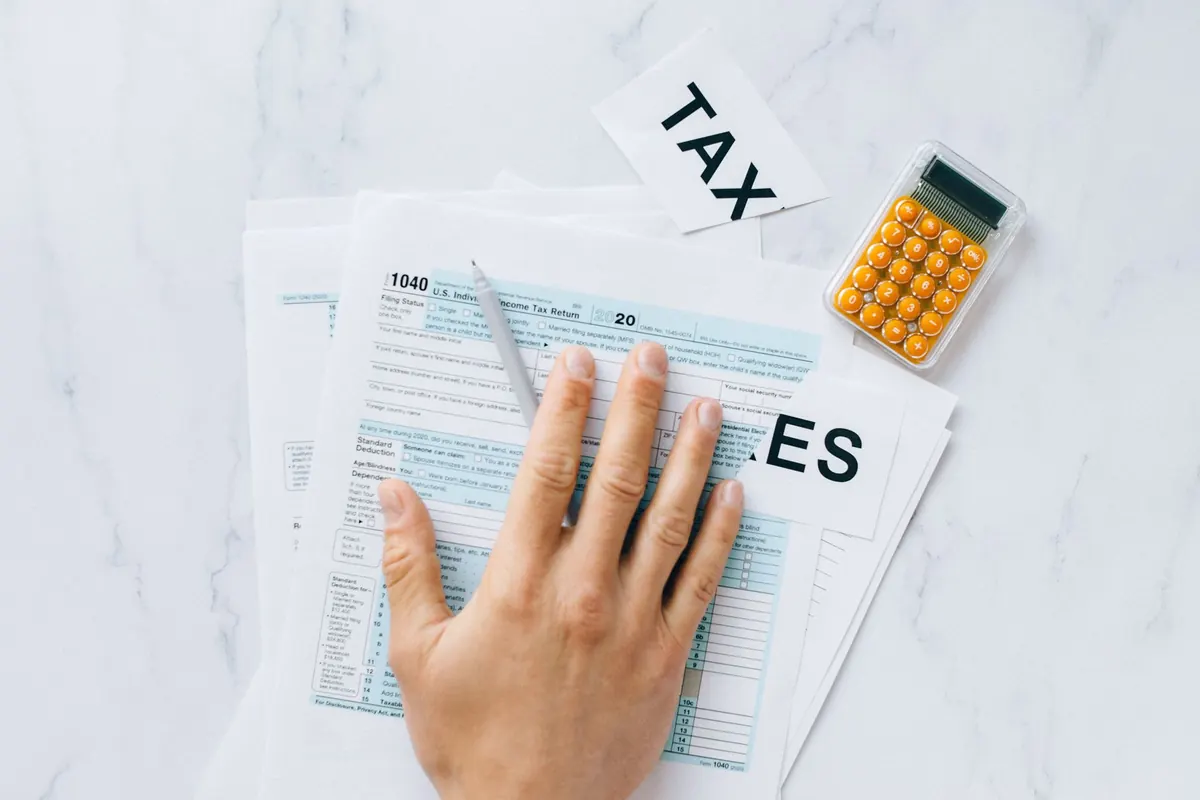
Your property tax bill looks like one number. It isn't. Behind that total sits a stack of decisions — a school budget, a road program, a police contract, a debt payment — each with its own logic and its own constituency. Knowing how the money splits makes you a much harder person to fudge an answer to at a council meeting.
One Bill, Several Governments
In many places, the notice in your mailbox is a combined bill. The county collects for courts, prisons, and human services. The school district collects for education. The borough collects for everything else: streets, police, parks, snow, trash. Some boroughs bill separately; others collect the whole amount and pass the school and county shares along.
Check the top of your bill to see which governments appear there. That tells you who to call with a complaint, and who to vote for when you want something changed.
The math is the same everywhere: assessed value multiplied by the millage rate equals your share. One mill means one dollar of tax per thousand dollars of assessed value. If your assessment is not the same as market value — and in most places it isn't — don't compare your bill to your neighbour's sale price. Compare millage rates and budgets instead.
Schools: Usually the Largest Share
In most communities, the school district takes the biggest piece of the property tax pie, frequently more than the borough's own operating budget. That money pays teacher and staff salaries and benefits, transportation, building upkeep, special education, technology, and the debt from construction and renovation.
This matters for local politics because the school board is a separate body with separate meetings and a separate tax rate. If your bill climbed while borough millage stayed flat, the increase probably came from the district or the county. Better to know that before you spend a public comment period blaming the wrong people.
Roads, Sidewalks, and Storm Water
Public works is the part of the budget you can see, hear, and hit with a tire. The money typically covers:
- Street resurfacing and patching, and in some boroughs curb and sidewalk repair
- Snow plowing, salting, and the trucks and fuel that make both possible
- Street lighting, signage, and traffic signals
- Storm sewers, catch basins, and the state and federal permits attached to them
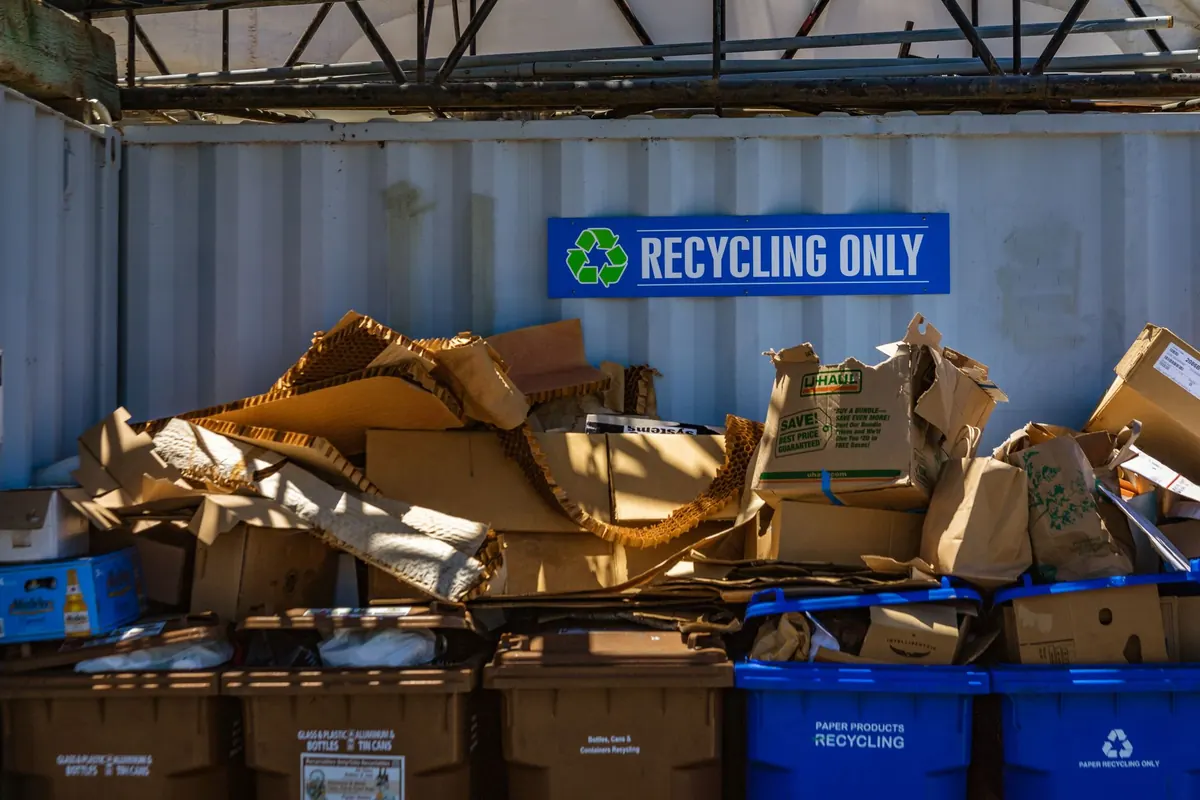
- Leaf collection, street sweeping, and trash or recycling contracts
Big projects — repaving an entire street, replacing a bridge — usually sit in a separate capital budget funded by grants or borrowing. A single resurfacing job can cost more than the whole annual street maintenance line, which is why boroughs plan them years in advance.
Police, Fire, and Emergency Services
Public safety is often the second-largest borough expense and the least flexible. Police wages, benefits, training, vehicles, radios, and liability insurance are largely locked in by contract. A borough with its own department carries costs that a borough relying on a regional force or state police coverage does not.
Fire protection is a patchwork. Some boroughs fund a paid department; many depend on volunteers and bridge the gap with equipment grants, a dedicated fire tax, or an annual contribution. When you see a line reading "fire company contribution," that is often what keeps the trucks on the road.
Dispatch, ambulance service, and emergency management round out the category, and all three tend to rise with call volume.
Parks, Libraries, and Quality of Life
Parks, pools, playgrounds, shade trees, and library support are usually small line items — a few percent of the budget at most. That is exactly why they get trimmed first when revenue dips and restored last when it recovers. They still cost real money: mowing, insurance, playground inspections, restrooms, staff. These are also the lines residents influence most easily, through a shade tree commission, a recreation board, or a library board.
Budgets are not just spreadsheets. They are a list of the things your borough has decided to keep doing.
Debt Service, Pensions, and the Bills That Come First
Debt service — principal and interest on bonds and loans — gets paid before almost anything else. Miss it and the borough's credit rating suffers, which makes every future project more expensive. Long-term borrowing usually funds things that outlive a single budget year: a municipal building, a sewer upgrade, a fire truck. Debt spreads the cost across the people who will use the asset, but it also commits future budgets. A refinancing or a new loan narrows the choices available for a decade or more.
Then there are the lines nobody puts on a flyer. Pension contributions for municipal employees appear as one number and can grow faster than wages. Health insurance, workers' compensation, and liability coverage behave the same way. State and federal mandates — storm water permits, pension funding rules, accessibility requirements, annual audits — demand work whether or not the money exists.
Boroughs also hold reserves, sometimes called a fund balance. A healthy reserve covers several months of operations and an unexpected repair. A thin one means a broken plow or a lawsuit turns into a mid-year tax increase or a hiring freeze.
How to Read Your Borough's Budget in an Afternoon
Most boroughs publish their budget and their audit, and the annual budget is adopted at a public meeting late in the year. Work through it in this order:
- Find the general fund summary — the operating budget for the year, separate from capital projects and utility funds.
- Compare this year's totals to last year's by category. Flag any line that moved sharply.
- Read the revenue side. How much comes from property tax, and how much from state aid, fees, permits, and transfers?
- Check the reserve balance and any transfers into or out of it.
- Skim the capital plan and debt schedule for anything scheduled in the next three years.
- Write down two specific questions and take them to a council meeting.
If a line item jumped, there is almost always a reason recorded somewhere — a contract, a grant, a failed compressor. Ask for it. Budgets are public documents, and the people who understand them best are the ones who show up with a pen and a page number. And if you are weighing a decision that affects your own tax situation or property, it is worth a conversation with a qualified tax or financial professional before you act.
Photo: Nataliya Vaitkevich / Pexels